Longteng Bridge on a Rainy Day: Slippery Paths and Backup Plans
Rain in the hills changes walking conditions, photography and rail bike operations, so check current weather before setting off.
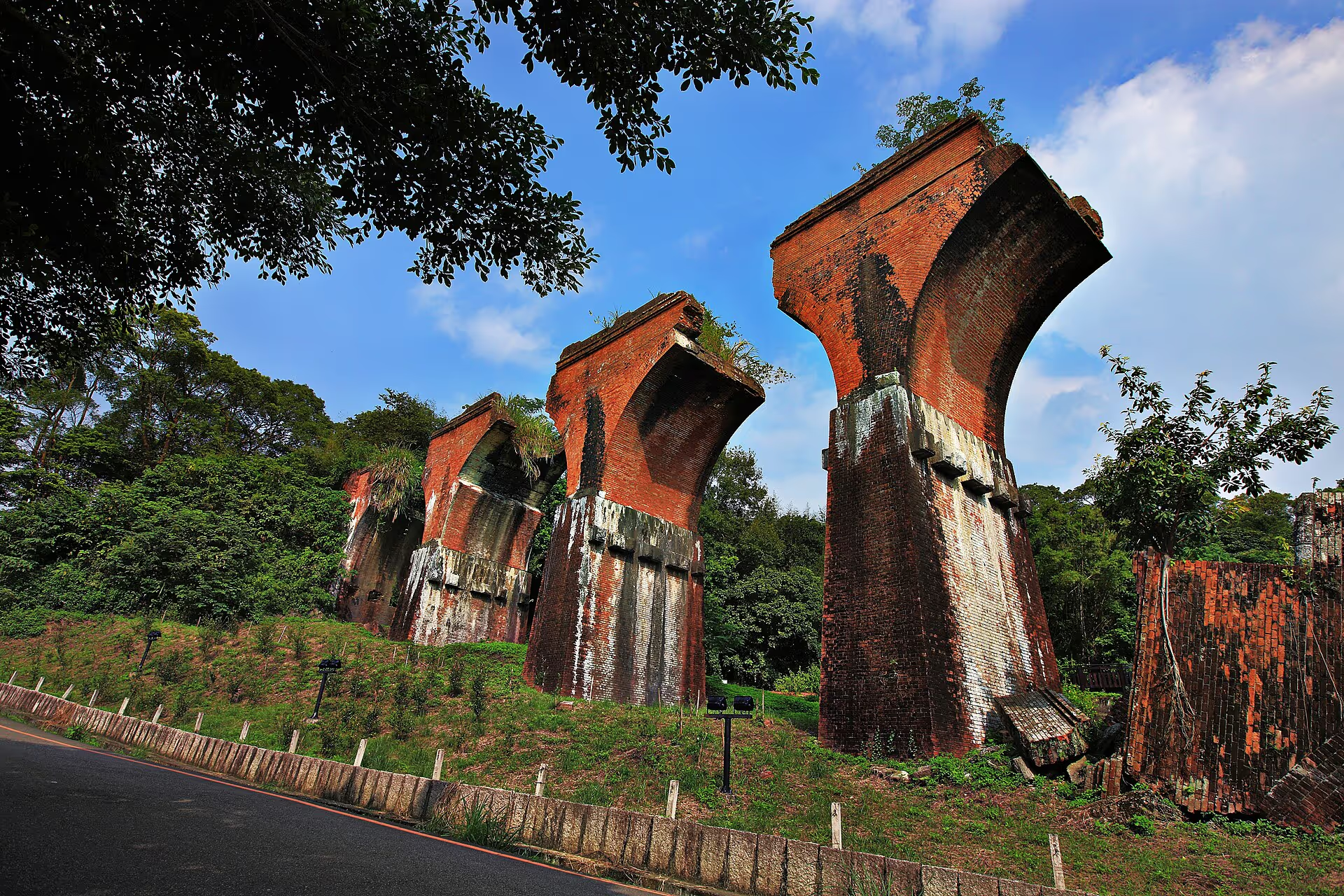
Location
Sanyi Township, Miaoli County
Topic
Rainy-day travel
Navigation
Confirm your destination
Before visiting
Check current notices
Adjust for the forecast
Shorten a light-rain visit and wear grippy shoes; reschedule for thunderstorms, heavy rain, typhoons or road closures.
Have an indoor alternative
Sanyi woodcarving venues may be an option if open. Never shelter beneath the bridge or beside streams and steep slopes.
Stay within open areas
Follow signs, marked routes and management directions.
Planning a rainy-day visit
Mountain rain may affect paths, visibility for photographs and rail bike outings. Check up-to-date forecasts before departure.
Before you travel
In light rain, shorten your time outdoors, wear shoes with good grip and protect camera equipment. Thunderstorms, downpours, typhoons and road restrictions are reasons to postpone the trip.
On-site priorities and alternatives
Consider indoor woodcarving-related venues around Sanyi, but verify opening arrangements separately. Do not take cover underneath the damaged bridge, beside a stream or beneath steep slopes.
Frequently asked questions
Can I walk the paths immediately after rain stops? Surfaces may remain slippery; decide based on actual access conditions and on-site restrictions.
Is a ticket required? Outdoor viewing and the ticketed Old Mountain Line Rail Bike are separate experiences. Check the operator if you have a ride planned.
What destination should I enter? Use Longteng Bridge for the ruins and the station listed on your ticket for the rail bike.
Related guides and current information
Rain and hillside terrain
Paths and sloping ground around Sanyi’s heritage site may be slippery after rainfall. Mist can make the red-brick arches atmospheric, but lightning and intense rain also increase risk.
A shorter wet-weather itinerary
For light rain only, view the bridge from an easily reached public area and then consider Shengxing Station or an indoor woodcarving cultural space, subject to opening hours. Never push past a closure caused by heavy rain, rockfall or blocked roads.
Photographing the bridge in mist
Rain and mist can emphasize layers of arches in the landscape. Protect and dry your lens, and take photographs only from safe points—not streambeds, beneath the bridge or closed slopes.
Explore the location from different angles
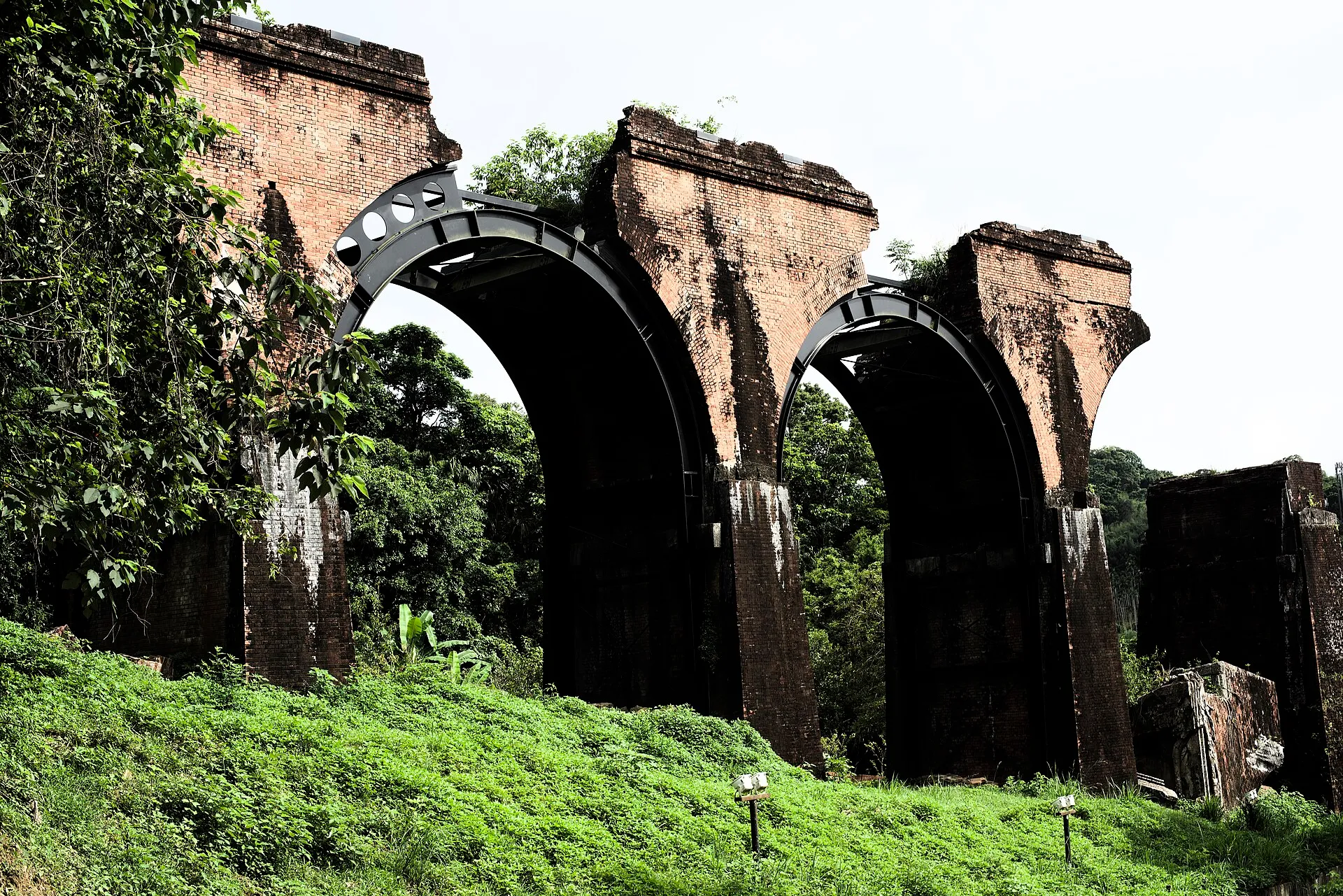
Plan your visit with Google Maps
Remains of Longteng Bridge (龍騰斷橋/魚藤坪斷橋)
Miaoli County Road 49, 367 Sanyi Township, Miaoli County, Taiwan
For official tourism information see Taiwan Tourism Administration (official tourism portal) . Map pins, reviews and business information change over time; follow road signs and on-site guidance for parking and walking routes.
Read next
- Seasons and climate Longteng Bridge Through the Seasons: Weather, Stream Conditions and Wildlife An overview of twelve months of typical temperatures, rain, humidity, creek conditions, wildlife and what to wear along the Old Mountain Line.
- Visitor services Longteng Bridge Visitor Facilities: Toilets, Parking, Food and Supplies Plan for toilets, parking, food, stays, convenience stores, fuel, EV charging, medical help, mobile reception and accessible family facilities along the Old Mountain Line.
- Science and responsibility Why Did Longteng Bridge Break? Earthquake Engineering and Visitor Responsibility Understand how brick arches failed in the 1935 earthquake and why protecting the remains and their wildlife habitats matters.