The 1935 Earthquake and Longteng Bridge: A Historical Guide
One of the bridge's defining moments was the 1935 Hsinchu–Taichung earthquake; its damaged structure survives as a historical monument.
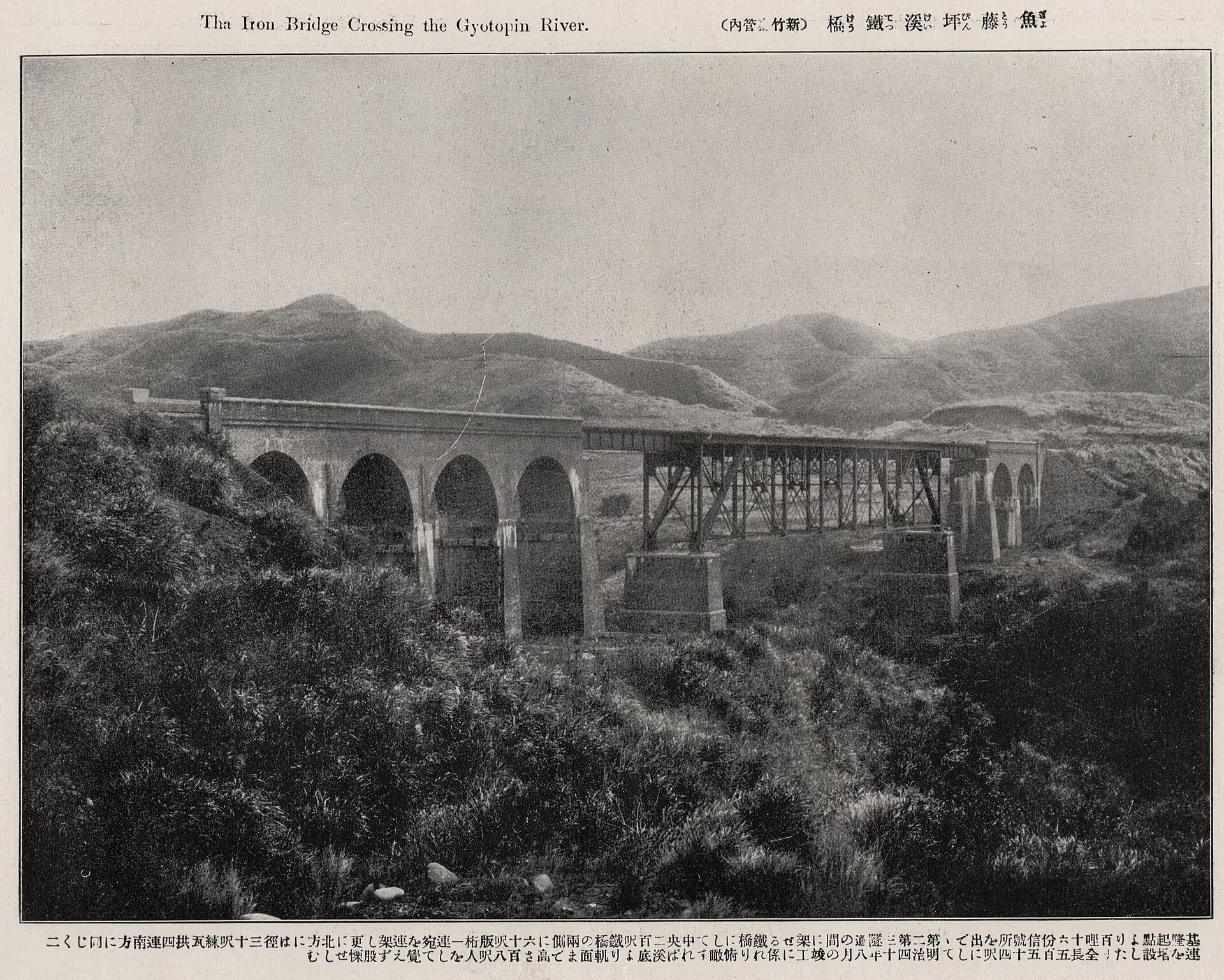
Location
Sanyi Township, Miaoli County
Topic
Earthquake history
Navigation
Confirm your destination
Before visiting
Check current notices
Read the remaining structure
The brick arches, piers and surviving spans show how Japanese-era railway engineers crossed difficult hill country.
Understand the ruins
This is not an unfinished scenic project, but the legacy of disaster, railway changes and historic preservation.
Protect the monument
Follow authorized paths, signs and site instructions.
Planning a visit around the 1935 earthquake story
The 1935 Hsinchu–Taichung earthquake severely damaged Longteng Bridge. The surviving remains make the disaster an essential part of understanding this railway site.
What to know before arriving
Notice the arches, piers and remaining spans. Together, they show how the Japanese-era mountain railway was engineered to cross uneven terrain.
What the site tells visitors
The broken bridge is not an incomplete decorative structure. Its condition reflects an earthquake, later railway engineering changes and the decision to preserve the historic remains.
Frequently asked questions
Why wasn’t the bridge rebuilt to its original form? Heritage preservation gives weight to historic evidence and safety; reopening a railway is not the sole measure of a successful conservation project.
Do I need a ticket? Viewing the outdoor monument is distinct from riding the paid Old Mountain Line Rail Bike. Check separately if booking a ride.
Where is the correct map destination? Navigate to Longteng Bridge; rail bike guests should use their ticket’s departure station.
Related reading and updates
- Transportation guide
- Parking and station differences
- Rail bike route comparison
- Nearby attractions
- Rail bike operator
From railway construction to earthquake ruins
Yutengping Bridge once carried the Old Mountain Line across a valley. The 1935 earthquake caused serious structural damage. Its remaining brick arches and the replacement engineering that followed document a railway responding to natural disaster.
Observing the historical evidence
Imagine the original direction of travel across the arches and the loads carried by the piers. Then compare the nearby iron bridge and its materials. Read on-site interpretation so the two structures are not mistaken for one project.
Preservation and photography
Conserving a ruin does not necessarily mean reconnecting it for trains. Include the broken sections and surrounding terrain in photographs to communicate the bridge’s historical meaning.
Explore the location from different angles
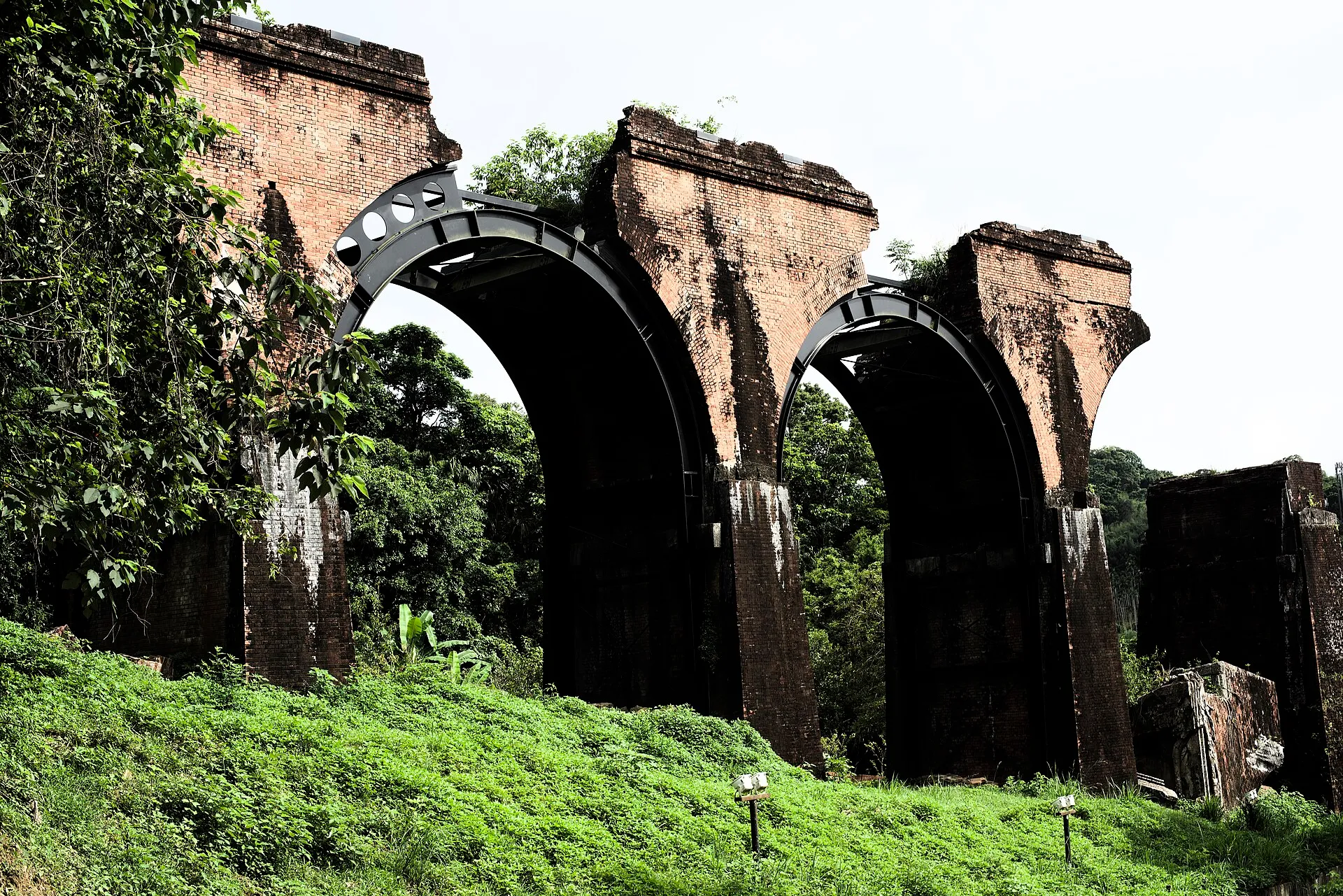
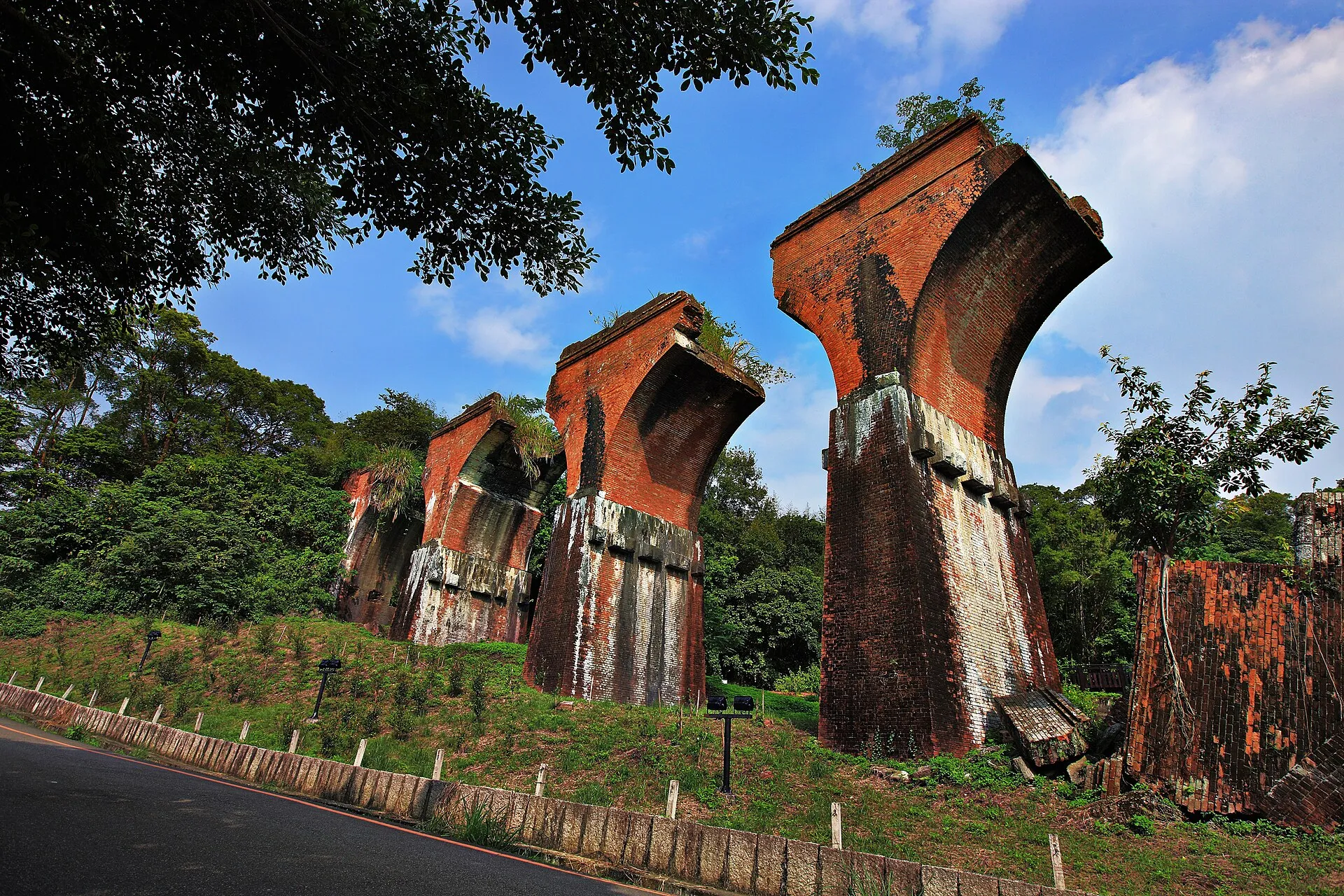
Plan your visit with Google Maps
Remains of Longteng Bridge (龍騰斷橋/魚藤坪斷橋)
Miaoli County Road 49, 367 Sanyi Township, Miaoli County, Taiwan
For official tourism information see Taiwan Tourism Administration (official tourism portal) . Map pins, reviews and business information change over time; follow road signs and on-site guidance for parking and walking routes.
Read next
- Seasons and climate Longteng Bridge Through the Seasons: Weather, Stream Conditions and Wildlife An overview of twelve months of typical temperatures, rain, humidity, creek conditions, wildlife and what to wear along the Old Mountain Line.
- Visitor services Longteng Bridge Visitor Facilities: Toilets, Parking, Food and Supplies Plan for toilets, parking, food, stays, convenience stores, fuel, EV charging, medical help, mobile reception and accessible family facilities along the Old Mountain Line.
- Science and responsibility Why Did Longteng Bridge Break? Earthquake Engineering and Visitor Responsibility Understand how brick arches failed in the 1935 earthquake and why protecting the remains and their wildlife habitats matters.